Glock weapon lights: TLR-1, X300, TLR-7 and rail fit
A light on a pistol answers the question that a pistol alone cannot: what is that? Every Gen 3 and later standard-frame Glock has a rail for one, the slimline MOS pistols have a smaller one, and the two makers that dominate duty use, Streamlight and SureFire, have built holster ecosystems around a handful of models. This guide covers which light fits which Glock, what the numbers mean, how the buttons differ, the holsters that follow, and how to keep a light working.
Rail fit by generation and model
- Gen 1 and Gen 2: no rail. Aftermarket rail adapters exist and are a compromise.
- Gen 3, Gen 4 and Gen 5 standard frame: the Glock universal rail, a single slot that takes any light with a Glock key or a Picatinny key. Full-size lights on a 17, 34 or 45 sit flush with the muzzle; on a 19 the TLR-1 and X300 extend past it, which is fine for duty and a nuisance for concealment.
- Gen 5 19X, 45 and 47: the same rail on a full-size frame; the 19X and 45 have the compact slide, so a full-size light extends past the muzzle by about half an inch.
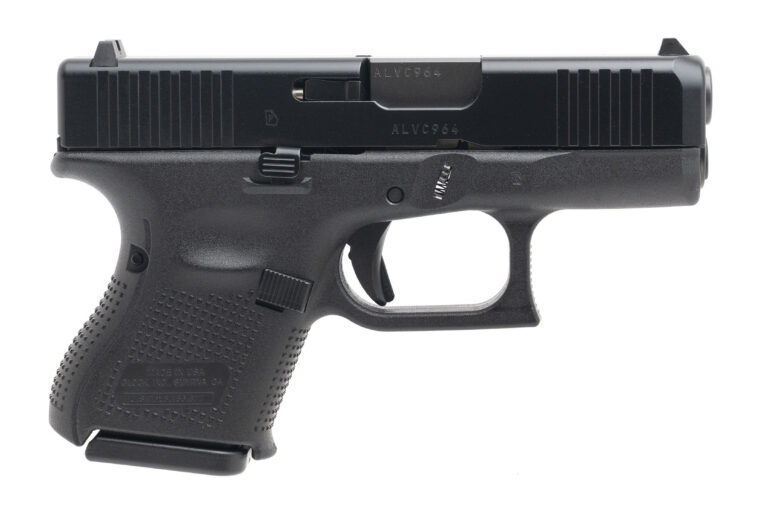
- Glock 26 and 27: no rail on the subcompact frame.
- 43X MOS and 48 MOS: a short slimline rail that takes only the lights built for it: the TLR-7 sub, the TLR-6 for the slimline, the Surefire XSC and similar.
- Large frame 20, 21, 40, 41: the same universal rail as the standard frame; all full-size lights fit.
The duty lights
Streamlight TLR-1 HL: 1,000 lumens, a wide beam, two CR123 batteries, a rocker paddle behind the trigger guard for momentary and constant, the widest holster support of any pistol light. The duty default for a 17, 45 or 47. SureFire X300 Turbo: 650 lumens with a very high candela, a tight beam that reaches, two CR123s, a toggle paddle. The choice for outdoor and rural duty. SureFire X300 Ultra: the wide-beam version at 1,000 lumens, still common. Streamlight TLR-7A and TLR-7 HL-X: compact lights that sit flush on a 19, one CR123 or an 18350, rear buttons. The plainclothes and compact-duty choice. Streamlight TLR-8: the TLR-7 with a laser, where policy allows one.
Lumens and candela
Lumens is the total light; candela is how tightly it is focused, and candela is what decides whether the beam reaches across a parking lot or bounces off the nearest wall. A wide 1,000-lumen light is right indoors; a high-candela light is right outdoors and reads a face at 50 yards. Duty lights now sit between 15,000 and 100,000 candela. Pick by where you work.
Buttons
Every duty light has a control behind the trigger guard worked by the support-hand thumb or the trigger finger of the strong hand: a paddle pressed for momentary and flicked for constant on the TLR-1, a toggle on the X300, rear buttons on the TLR-7. The TLR-7A's high buttons and low buttons are two versions of the same light, sold for different grips. Train to activate the light without touching the trigger; it is the one habit that matters most with a light.
Holsters follow the light
A holster is molded for a pistol and its light together. A 17 with a TLR-1 fits a holster cut for that pair and nothing else; change the light and the holster changes. The TLR-1 and X300 have the most holster options, the TLR-7 family has many, and the newer or less common lights have few. Choose the light with the holster in mind, and the duty holster guide covers the combinations.
Mounting
Fit the right rail key for the Glock rail, slide the light on until the key seats in the slot, and tighten the screw to the maker's torque; too tight cracks the light body, too loose lets it walk under recoil. Check that the light is square to the bore and that it clears the trigger guard. Shoot 200 rounds and recheck the screw and the lens.
Batteries and care
CR123 lithium batteries from a known maker, replaced on a dated schedule regardless of use, spares in the bag. Rechargeable 18350 cells in the lights that take them, on a charging routine. Clean the lens with a soft cloth; carbon from the muzzle builds on it faster than most people expect and cuts output. Check the O-ring in the battery cap and keep it lightly greased. A light that will not turn on at the check goes out of service, not into the holster.
Lasers
The TLR-8, the X400 and the TLR-7 with a laser add a red or green laser under the light. A laser is fast at contact distance and from awkward positions, and it is a crutch at 10 yards and beyond that pulls the eyes off the sights. Most agencies allow them, a few require them for certain units, and most private owners find the dot on the slide does the job better. If a laser is chosen, the holster must be cut for that exact light-laser unit.
Lights and the law
A weapon light on a pistol is legal everywhere in the United States for a private owner and is standard for duty. Using a light on a hunt is regulated: many states bar lights while hunting deer and some allow them for hogs and predators, so check your state's rules before a light goes afield.
Put the light on a rig built from the duty setup guide. Browse weapon lights and light-bearing holsters; they ship to your door.
General information, not legal advice. Current as of September 2026. Laws change; check the official source before you act.