Duty Glock setup: Gen 5 MOS, light, red dot and holster
A duty Glock is a system, and the pistol is the cheapest part of it. The light, the dot, the plate, the sights, the holster and the belt each have to fit the others, and a mismatch anywhere, a holster cut for the wrong light or a plate that does not fit the dot, takes the whole rig out of service. This guide builds the rig in order, from the pistol outward, with the choices that agencies and armed professionals have settled on and the reasons behind them.
The pistol
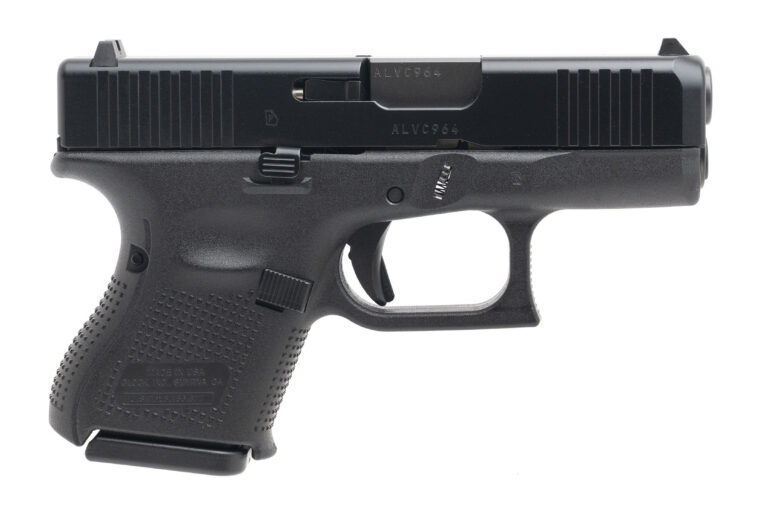
A Gen 5 MOS in 9mm: the 17 for a full-size duty pistol, the 19 for plainclothes and smaller hands, the 45 for a full grip with a compact slide, or the 47 for a full-size slide that swaps onto a 19 frame. Gen 5 brings the Marksman Barrel, ambidextrous slide stop, no finger grooves, a flared magazine well and the nDLC finish. MOS adds the optics cut and plates. The Gen 5 trigger is fine for duty as it comes; a flat-faced factory-weight aftermarket trigger is an acceptable change under most policies, and a lightened trigger is not.
The light
A rail-mounted light with 800 to 1,000 lumens and a good candela figure, a momentary and constant tail button, and a holster ecosystem behind it. The Streamlight TLR-1 HL and the SureFire X300 Turbo are the full-size duty standards; the TLR-7A and the X300 in its slimmer versions fit a 19 without extending past the muzzle. Mount it with the Glock rail key, tighten the screw to the maker's torque, and check it stays put after 200 rounds. The weapon light guide covers fit by model and holster compatibility.
The dot
An enclosed-emitter dot is the duty choice, because rain, mud and lint on an open emitter blank the dot at the worst moment. The Aimpoint ACRO P-2, the Holosun 509T and the Trijicon RCR are the current enclosed options; the Trijicon RMR HD and Type 2 are the open-emitter dots that have proven themselves on duty and remain acceptable. Mount it on the MOS plate that matches its footprint, or better, on a machined steel plate from an aftermarket maker that fits the MOS cut more tightly than the factory plates. Torque the plate screws and the dot screws to spec with thread locker and mark them. The red dot guide covers footprints, plates and zero.
The sights
Suppressor-height iron sights that show through the dot's window, in steel, with a tritium front or a bright fiber front. They back up the dot, and they give a reference for finding it on the draw. The factory sights sit below most windows; replace them when the dot goes on.
The holster
A holster molded for the exact pistol, light and dot combination, with Level II retention at minimum for open carry and Level III on a uniform belt. The Safariland ALS and SLS series, molded for a Glock with a specific light and with a dot hood, are the reference; several makers now offer Level II holsters for the common light and dot combinations. Buy the holster after the light and dot are chosen, by their names, not before. The duty holster guide covers retention levels and fit.
The belt
A stiff duty belt with an inner belt and keepers, or for plainclothes a rigid gun belt sized with the holster on. The weight of a 17 with a light, a dot and 18 rounds is close to three pounds, and a soft belt lets it roll.
Magazines
Factory Gen 5 magazines, 17 rounds in the 17 and 45, 15 in the 19; a spare pair on the belt in a double carrier, and a set for training that is kept apart from the duty set. Number them. Where a state caps capacity, the 10-round factory magazines fill the same role.
Ammunition
A bonded duty hollow point, 124 grain +P or 147 grain, from the load lists the major agencies use, shot through the pistol from every duty magazine before it is carried. Practice with the same weight in full metal jacket.
The checks
- Light: fresh battery on a dated schedule, lens clean, mount tight, both buttons work.
- Dot: battery on a dated schedule, zero confirmed at 10 and 25 yards, screws marked and unmoved, lens clean.
- Holster: the pistol locks in with the light and dot fitted, the retention devices release cleanly, the holster is tight on the belt.
- Pistol: field stripped, wiped, oiled at the rails and barrel, striker channel dry, function checked, chambered round checked for setback.
- Magazines: loaded to capacity, floorplates seated, bodies clean.
Policy and paperwork
An agency pistol is set up to the agency's policy: the approved dot and light lists, the trigger rule, the holster level, the qualification course. A private owner building the same rig has more freedom and the same reasons to keep it simple. Either way, write the rig down: pistol serial, dot serial and zero, light model, battery dates, holster model. A rig that is documented is a rig that can be rebuilt after a failure or a loss without guessing.
Training with it
Draw from the retention holster until the release is a habit, with the pistol confirmed empty and then with dummy rounds, before live fire. Shoot with the light on and off. Find the dot from the holster a thousand times dry. Run the rig in the rain. A duty rig that has only been used on a square range on a clear day is a rig you do not know.
Compare the crossover pistols in the 19X and 45 guide. Browse Gen 5 MOS pistols, weapon lights, red dots and duty holsters; the pistol ships to your FFL dealer, everything else to your door.
General information, not legal advice. Current as of September 2026. Laws change; check the official source before you act.